
Problem:
Does our food provide enough nutrition? Absolutely NOT! I took an environmental course during undergraduate school, and my professor informed us that 1 can of spinach in the 1970s was nutritionally equivalent to 10 cans of spinach today. I took this class more than 10 years ago. I wonder what the nutritional value is today.
Here is the problem. Spinach looks like spinach no matter what nutrients are missing from its content. Our food is majorly lacking minerals and vitamins. We may be getting enough calories, but we are not getting enough nutrition.
I see a lot of folks my age who look substantially older than me. The aging process is exacerbated by a lack of nutrition in their food.
Solution:
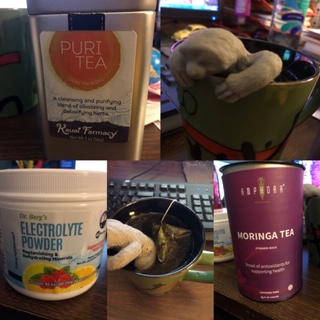
We need to drink more tea. Yup, you heard me right. Drink more tea. I order tea from a company called Kauai Farmacy. Their tea is a bit pricey, but it is grown in volcanic soils. The nutritional value of their herbs is super high. Check out some of their videos on YouTube to decide which herbs will support your needs.
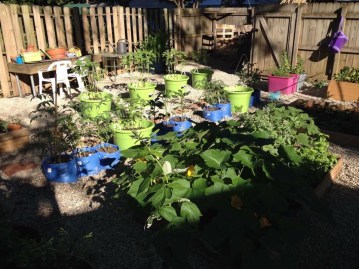
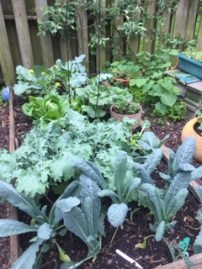
Grow your own food. Start with growing herbs and lettuces. They are easy to grow and you can even plant them in pots. I dug up my entire yard to achieve this goal. Some years I get a great harvest, and some not so much due to weather, but something is better than nothing. I even share my bounty with friends, neighbors, and clients. Sharing is caring. If you do not want to dig up your yard or deal with pots, check out local community gardens. They are usually very inexpensive which allows you to grow a lot of food for a little money.
Community Supported Agriculture (CSA) groups are on the rise. Local farmers sell shares for a growing season. They deliver weekly to a common location or your house. You can pay anywhere from $250-$500 for a growing season. Make sure the farmers do not use GMO seeds, pesticides, or non-organic fertilizers on their crops. This is a great way to support local farmers. Grocery store organic produce may have been shipped long distances, or stored in a warehouse for an extended time. Local farmers will pick and deliver fresh produce. We need the nutrition and vitamins that fresh naturally grown produce provides.
Check your meat. If you eat meat, make sure it is not the meat of sickly animals. The treatment of livestock in our country should be illegal, but it is not. I have personally interviewed folks who worked for some of the major food producers. The stories they told me were horrible, so I do not promote eating meat in the U.S. unless you know the farmer personally, or you buy organic.
Dairy is scary. The milk of sick animals is not something you should consume. You are getting their hormones, and whatever else may be swimming in their milk. I would rather not. I cannot say that I am 100% dairy-free because sometimes I may eat something with dairy in it unaware, but I avoid it 95% of the time. I do not want to eat the hormones of a sad, sick, diseased animal.
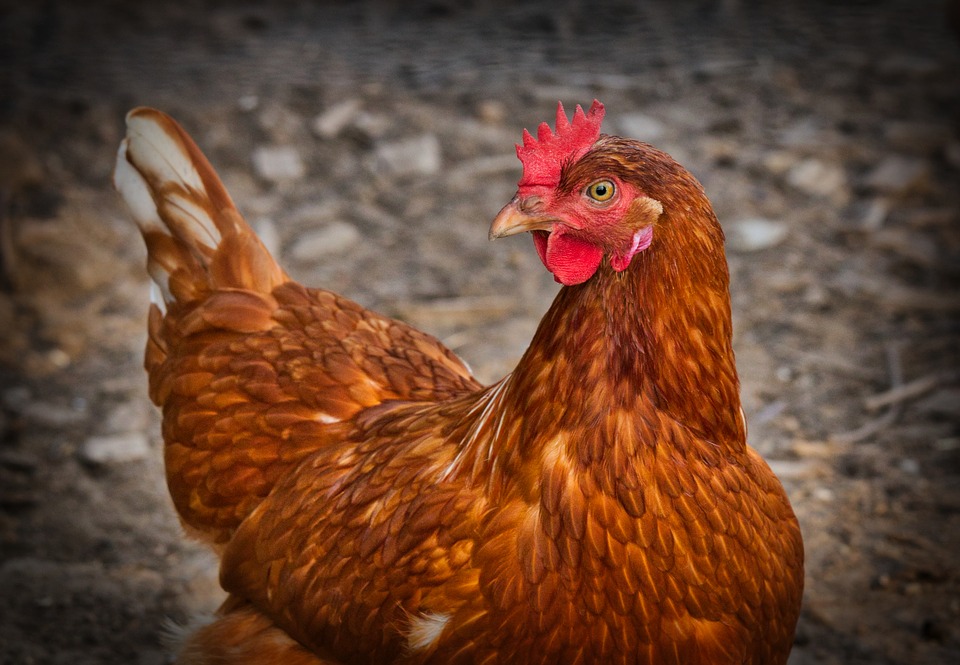
I have chickens at home. They free range often by eating bugs and roots. They run around playfully during the day, and I protect them at night. I have seen them happy and sad. Can you believe a chicken can get sad or scared? It is true. One of my chicks got sick and died. Her sisters grieved her death for more than a week.
In return for their safe, fun environment, they give me fresh eggs during the spring, summer, and fall. They are happy and their eggs taste great.
I know where my food is coming from and so should you. It took me years to make these changes. I too was a standard American consumer. Now, I am a full-blown hipster. It was not planned; it just happened. As a result, my family and I are thriving and healthy.



 Tamara Y. (Williams) Conaway
Leave a comment